February 5, 2026
Brampton, ON
Taranjeet Kaur Ghuman
Ryan James Wedding was once celebrated as a Canadian Olympian, a talented snowboarder from Thunder Bay, Ontario, who represented Canada at the 2002 Salt Lake City Winter Olympics. He competed in the men’s parallel giant slalom, carrying the hopes of a country that prides itself on winter sports excellence.
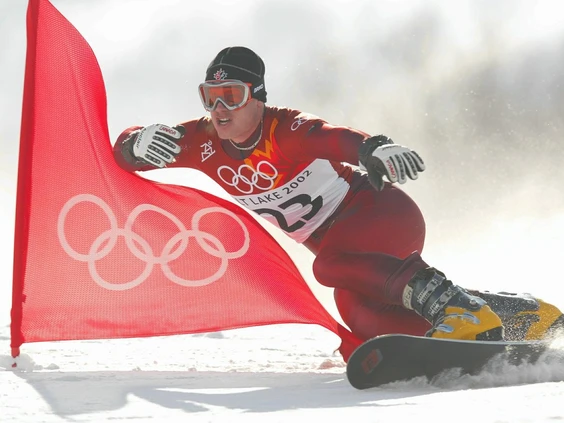
But the Olympic dream ended quietly. Wedding failed to medal and soon stepped away from professional snowboarding. What followed, authorities now say, was a descent into one of the most violent and expansive international drug operations ever linked to a Canadian athlete.
From Jail Sentence to a Global Drug Operation
After leaving competitive sports, Wedding gradually entered the drug trade. In 2008, he was arrested in the United States during a police sting while attempting to purchase 24 kilograms of cocaine, allegedly intended for smuggling into Canada. He was convicted in 2009 and sentenced to 48 months in prison. In court, Wedding expressed remorse. Prosecutors now say it did not last. Following his release, Wedding allegedly rebuilt himself not as a small-time trafficker, but as the head of a violent transnational cocaine network. According to U.S. authorities, cocaine was sourced from Colombia, routed through Mexico and California, particularly Los Angeles, and then shipped into Canada. Investigators allege the operation moved tens of tonnes of cocaine and generated billions of dollars. Within the underworld, Wedding allegedly went by multiple aliases, including El Jefe, Giant, and Public Enemy. The FBI has compared the scale of his alleged influence to figures like Pablo Escobar and El Chapo.
The Caledon Shooting: Innocent lives lost in Ontario
The most devastating Canadian consequence of Wedding’s alleged empire came in November 2023, in Caledon, Ontario. Jagtar Sidhu and Harbhajan Sidhu, a couple visiting Canada from India to see their children, were shot and killed inside a rental home. Police say the killings were the result of mistaken identity. The intended target was allegedly someone suspected of stealing a cocaine shipment that had moved through southern California. Authorities allege the murders were ordered by Ryan Wedding and his alleged right-hand man, Andrew Clark.

The couple’s 28-year-old daughter, Jaspreet Kaur Sidhu, was shot 13 times. She survived but suffered life-altering injuries. The case sent shockwaves through Ontario’s Punjabi and South Asian communities and became one of the most disturbing examples of how international drug violence spilled into Canadian suburbs. Investigators have also linked Wedding’s network to additional killings in Brampton and Niagara Falls. Clark is accused of recruiting hitmen, arranging “military-style training” in Mexico, and deploying them to carry out killings in Canada.
Brampton Lawyer Named as Allegations Expand to Witness Killing
In January 2025, another alleged murder tied to Wedding’s network occurred thousands of kilometres away in Medellín, Colombia. Jonathan Acebedo-Garcia, a Montreal-born former associate of Wedding, was shot dead while sitting in a restaurant. U.S. prosecutors say Acebedo-Garcia had become a federal witness for the FBI. When Wedding allegedly learned of his cooperation, he ordered the killing and placed a bounty of up to $5 million US.
The case took a deeply troubling turn for Canada when Wedding’s former lawyer, Deepak Paradkar, was charged in connection with the plot. Prosecutors allege Paradkar sometimes referred to in criminal circles as a “cocaine lawyer” advised that the witness be eliminated.

Court filings further allege that a Punjabi social media blogger, Gursewak Singh Bal, was paid to publicly post images of the FBI witness, while Toronto jeweller Rolan Sokolovski is accused of laundering Ryan Wedding’s drug proceeds. Sokolovski’s U.S. indictment describes the 37-year-old as a professional poker player, jeweller, and procurer. In total, at least eight Canadians were arrested in November in connection with the broader network.
Arrest and the Legal Process Ahead
Wedding evaded law enforcement for nearly a decade. The RCMP attempted to arrest him in 2015, but he vanished from Montreal. U.S. officials believe he lived under protection in Mexico, allegedly connected to the Sinaloa cartel. By late 2025, Wedding was placed on the FBI’s Top 10 Most Wanted list, with the U.S. State Department offering a $15 million US reward, one of the largest in FBI history.

In January 2026, Wedding was arrested in Mexico City during a high-risk joint operation involving U.S. and Mexican authorities. The FBI’s elite Hostage Rescue Team was involved, contradicting early claims that Wedding had voluntarily surrendered.
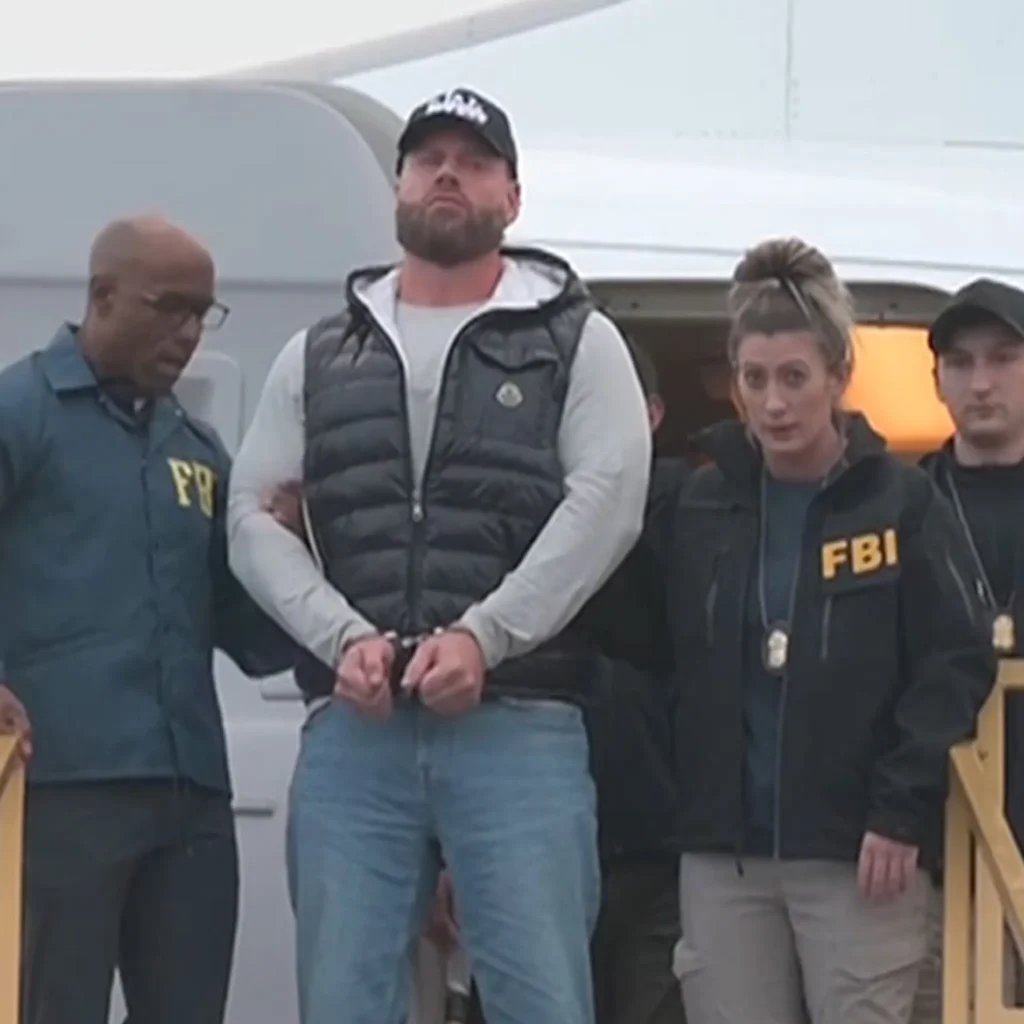
RCMP Commissioner Mike Duheme later confirmed that Canadian authorities had been alerted days before the arrest and were on standby to receive Wedding upon his transfer to the United States.
Wedding has since appeared in a Los Angeles federal court, where he pleaded not guilty to charges including operating a continuing criminal enterprise, murder, attempted murder, witness tampering, money laundering, and drug trafficking. He is being represented by defence lawyer Anthony Colombo, who told the court all allegations remain unproven.
If convicted, Wedding faces life imprisonment without parole.
A Canadian Cautionary Tale
For law enforcement, Wedding’s arrest is being described as a landmark example of international cooperation. For Canadian families, especially those affected in Caledon it is something else entirely: a long-delayed step toward accountability.
Ryan Wedding’s journey from Olympic snow to the cocaine trade now stands as one of the darkest chapters in Canada’s criminal history, a stark reminder that global organized crime can leave its most brutal scars at home.


 Loading ...