January 28, 2026
RED FM News Desk
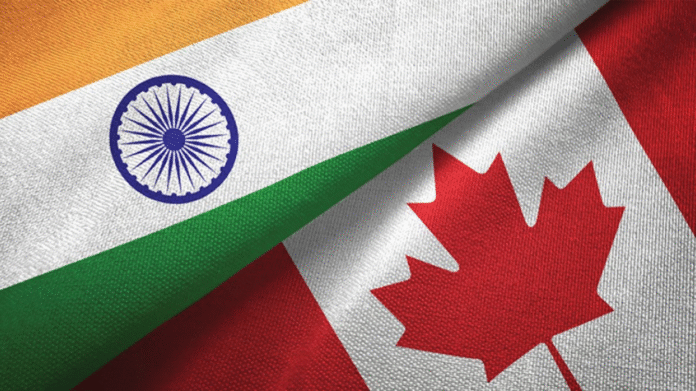
Canada’s intelligence agency is cautioning that India continues to pose a foreign interference risk, even as Ottawa and New Delhi move to rebuild diplomatic relations.
In its annual threat assessment released Wednesday, the Canadian Security Intelligence Service (CSIS) identified India among a group of states, including Russia, China, and Iran, believed to be engaged in foreign interference activities targeting Canada.
The report warns that interference linked to the Indian government extends beyond community-level influence and into Canada’s broader political landscape, urging continued vigilance from Canadian authorities.
The findings were made public just one day after Prime Minister Mark Carney and Indian Prime Minister Narendra Modi agreed to restore high-level diplomatic representation between the two countries and explore the resumption of visa services.
Relations sharply deteriorated last year after Canada and India expelled each other’s high commissioners following RCMP allegations that Indian officials were connected to organized criminal activity in Canada, including extortion and acts of violence.
At the centre of those allegations is the 2023 killing of Hardeep Singh Nijjar, a Canadian citizen and Sikh activist who was shot outside a temple in Surrey, B.C. Canadian police have accused Indian agents of involvement in the killing claims the Indian government has denied.
CSIS describes the alleged connection to Nijjar’s death as a major escalation, suggesting it reflects an effort to suppress the Khalistan movement beyond India’s borders. While the report acknowledges the presence of a small number of individuals in Canada it considers extremist, it draws a clear line between violent actors and peaceful advocacy for Khalistan.
Carney has faced criticism from Sikh organizations and members of Parliament for extending an invitation to Modi to attend the G7 summit this week. Critics argue the move sends the wrong signal before accountability issues are resolved.
Community media leaders, particularly in Surrey and Brampton, say the diplomatic thaw has raised concerns that economic interests are being prioritized over public safety and justice.
During the G7’s closing news conference, Carney avoided directly addressing questions about Nijjar’s killing, instead emphasizing the need for stronger co-operation between Canadian and Indian law enforcement agencies.
Meanwhile, pressure is mounting on Ottawa to take tougher action against transnational criminal groups. British Columbia Premier David Eby has called on the federal government to designate the India-based Lawrence Bishnoi gang as a terrorist organization, citing alleged extortion and threats targeting South Asian communities.
Public Safety Minister Gary Anandasangaree said no formal request has been submitted, noting that terrorist listings follow an independent review process. NDP MP Jenny Kwan has also urged the government to suspend intelligence-sharing arrangements with India until interference concerns are addressed.

 Loading ...